Say Goodbye to Dandruff with These DIY Remedies!
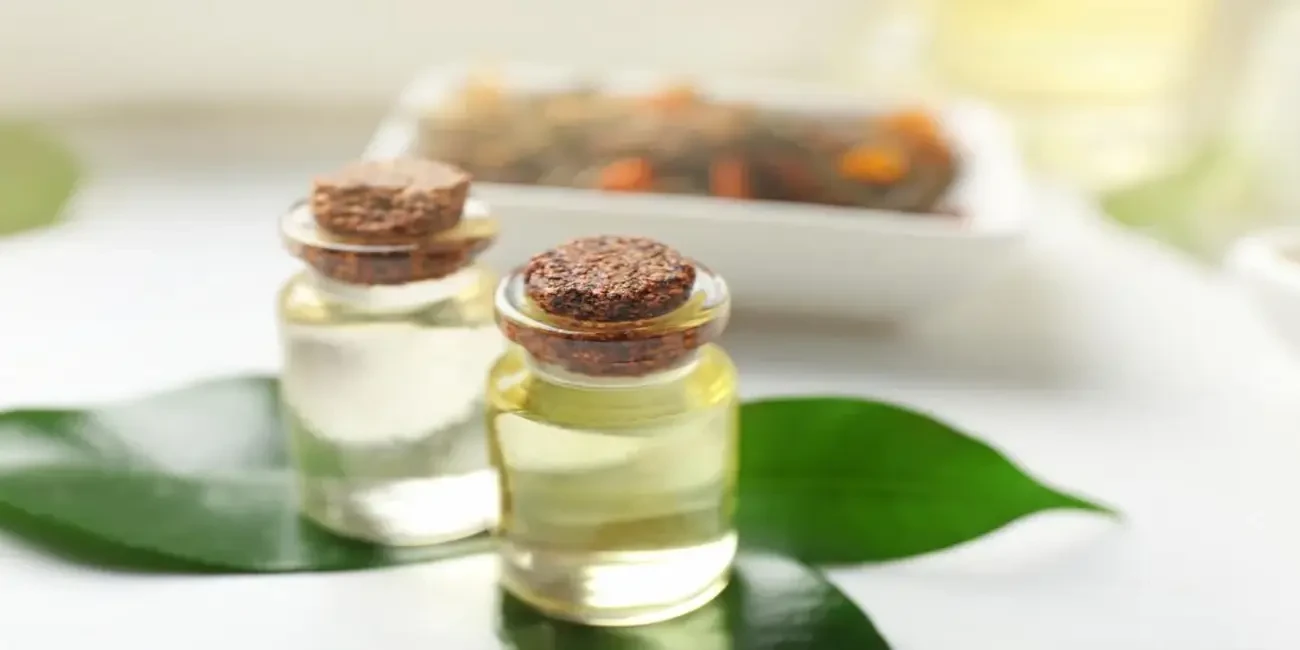
Dandruff is a common scalp condition that causes the skin on your scalp to flake, leading to itchiness and visible white or yellow flakes in your hair. It can be uncomfortable and embarrassing, but the good news is that you don’t always need expensive treatments to address it. Various natural, DIY remedies can effectively alleviate dandruff while nourishing your scalp. In this blog, we'll explore some of the most popular and effective home remedies, including tea tree oil, aloe vera, apple cider vinegar, baking soda, and cloves, to help you say goodbye to dandruff once and for all.
Tea Tree Oil
Tea tree oil is a powerful essential oil known for its antifungal, antibacterial, and anti-inflammatory properties. It is widely used to treat a variety of skin and scalp conditions, including dandruff. The antifungal properties of tea tree oil can help reduce the yeast that may be a contributing factor to dandruff, while its anti-inflammatory effects can soothe the scalp and reduce itchiness.
How to Use Tea Tree Oil for Dandruff:
Dilute Tea Tree Oil: Since tea tree oil is potent, always dilute it before applying it to your scalp. Mix a few drops of tea tree oil with a carrier oil such as coconut oil or olive oil.
Scalp Massage: Gently massage the diluted oil mixture into your scalp. Leave it on for at least 30 minutes before washing it off with a mild shampoo.
Tea Tree Oil Shampoo: You can also add a few drops of tea tree oil to your regular shampoo. Use this mixture every time you wash your hair for continued benefits.
Benefits of Tea Tree Oil for Dandruff:
Helps to reduce scalp inflammation.
Balances the scalp’s oil production.
Soothes itchiness and dryness.
Aloe Vera
Aloe vera is another natural remedy that has been used for centuries to treat various skin conditions. Its moisturizing and anti-inflammatory properties make it an excellent choice for soothing an itchy scalp. Aloe vera also contains enzymes that help remove dead skin cells, making it effective at reducing dandruff.
How to Use Aloe Vera for Dandruff:
Direct Application: Extract fresh aloe vera gel from an aloe leaf. Apply the gel directly to your scalp, ensuring you cover the affected areas thoroughly. Leave it on for about 30 minutes, then rinse it off with lukewarm water and shampoo as usual.
Aloe Vera Hair Mask: Combine aloe vera gel with a few drops of tea tree oil or a tablespoon of coconut oil to enhance its effectiveness against dandruff. Apply the mixture to your scalp and hair, leave it on for 30-60 minutes, and then wash your hair.
Benefits of Aloe Vera for Dandruff:
Deeply moisturizes the scalp.
Reduces inflammation and irritation.
Helps repair damaged skin on the scalp.
Apple Cider Vinegar
Apple cider vinegar (ACV) is well-known for its natural acidity and antimicrobial properties. It can help restore the scalp's natural pH balance, making it harder for dandruff-causing yeast to thrive. Additionally, ACV helps to remove excess oil and product buildup from the scalp, which can also contribute to dandruff.
How to Use Apple Cider Vinegar for Dandruff:
ACV Rinse: Mix equal parts apple cider vinegar and water. After shampooing your hair, pour the mixture over your scalp and massage it in. Let it sit for 5-10 minutes before rinsing it out thoroughly.
Leave-In Treatment: You can also mix a few tablespoons of ACV with water in a spray bottle and spritz it onto your scalp before bed. Wash it out in the morning for a refreshed scalp.
Benefits of Apple Cider Vinegar for Dandruff:
Helps balance scalp pH levels.
Removes scalp buildup.
Possesses antifungal and antibacterial properties.
Baking Soda
Baking soda is a common household ingredient that can also be used as a remedy for dandruff. It acts as a mild exfoliant, helping to remove dead skin cells and excess oil from the scalp. Its antifungal properties may assist in reducing the fungus that contributes to dandruff. However, baking soda should be used cautiously as it can be drying to the scalp.
How to Use Baking Soda for Dandruff:
Dry Application: Wet your hair and rub a handful of baking soda directly onto your scalp. Let it sit for a couple of minutes, then rinse it out thoroughly without shampooing.
Baking Soda Hair Mask: Combine baking soda with water to create a paste. Apply this paste to your scalp, gently massaging it in. Leave it on for about 10-15 minutes, then rinse well and follow up with a conditioner to avoid dryness.
Benefits of Baking Soda for Dandruff:
Exfoliates the scalp.
Reduces excess oil.
May help in controlling fungal growth.
Cloves
Cloves are not just for cooking; they also offer benefits for scalp health. They have antimicrobial and antifungal properties that can help fight dandruff. Additionally, clove oil can stimulate blood circulation to the scalp, promoting a healthier scalp environment.
How to Use Cloves for Dandruff:
Clove Oil Massage: Mix a few drops of clove oil with a carrier oil like coconut or olive oil. Massage this blend onto your scalp and leave it on for at least 30 minutes before washing it out with shampoo.
Clove Water Rinse: Boil a few cloves in water, let it cool, and then use this clove-infused water as a rinse after shampooing your hair. You can leave it in or rinse it out after 10-15 minutes.
Benefits of Cloves for Dandruff:
Natural antifungal properties.
Improves scalp blood circulation.
Soothes itchiness and irritation.
Final Thoughts
Dandruff is a manageable condition, and these DIY remedies offer natural and effective ways to alleviate it without resorting to harsh chemicals. Each remedy has unique properties that can help address the root causes of dandruff, from fungal overgrowth to dry skin. Experimenting with different treatments and finding the right combination for your scalp type may take some time, but consistency is key. Always perform a patch test before using any new ingredient on your scalp to ensure you don’t have any allergic reactions.
If your dandruff persists despite using these remedies, it may be time to consult a dermatologist for a more tailored treatment plan. Embrace these DIY solutions, and take the first step toward a healthier, flake-free scalp!
Recent Posts



Subscribe to our newsletter for regular updates about Offers, Coupons & more
Follow Us
Mobile Apps