Why Is a Blob of Toothpaste Called a “Nurdle”?
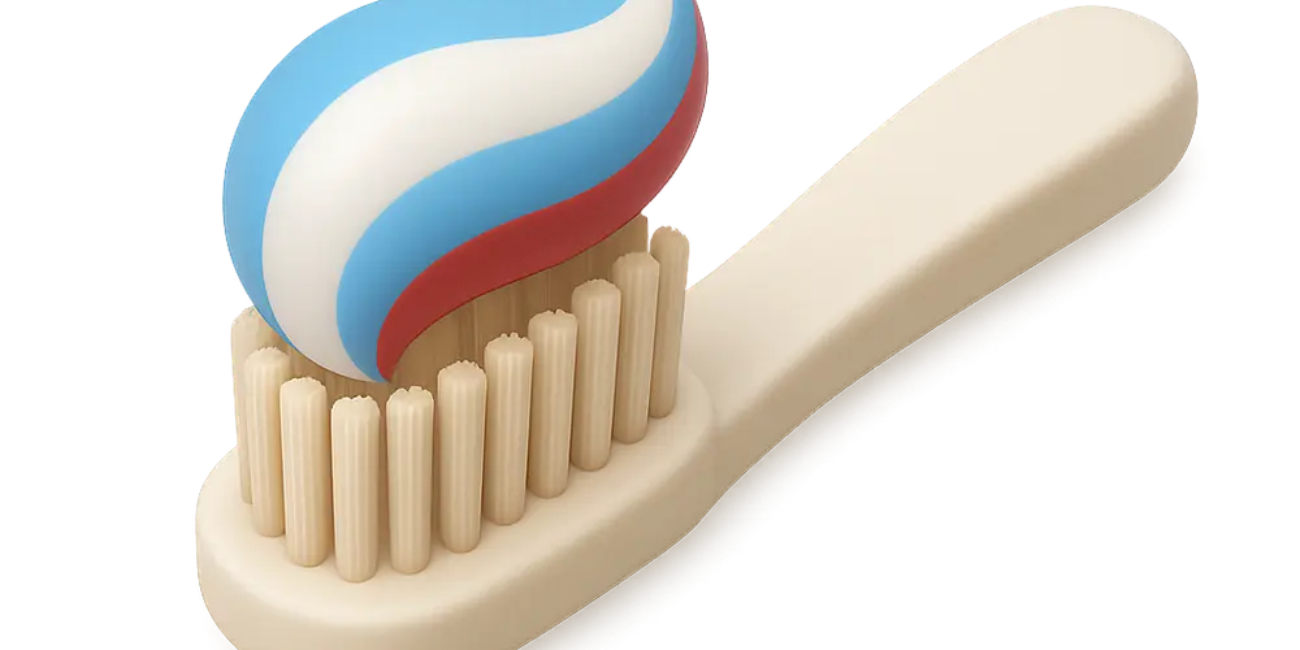
If you’ve ever squeezed toothpaste onto your toothbrush, you’ve probably created what advertisers and dental professionals call a “nurdle.” That neat, wavy ribbon of toothpaste isn’t just a random blob—it actually has a name, and its story is more interesting than you might expect.
What Exactly Is a “Nurdle”?
A nurdle refers to the small, often wave-shaped blob of toothpaste placed on a toothbrush—especially the perfectly styled version seen in ads and packaging.
It’s not a scientific or medical term. Instead, it’s a marketing and visual term used to represent the ideal amount of toothpaste for brushing.
The Strange Origins of the Word “Nurdle”
The origin of the word is surprisingly unclear, and linguists consider it a “nonsense word”—a term that emerged without a precise root or formal definition.
However, several possible influences help explain how it came to be:
1. Earlier Meanings of “Nurdle”
Before toothpaste, “nurdle” had other meanings:
- In cricket, it means gently nudging the ball to score runs.
- In industry, it refers to tiny plastic pellets used to make plastic products.
The plastic meaning is especially relevant—it describes small, rounded bits, similar in size and shape to a blob of toothpaste.
2. Possible Link to “Nodule”
Some linguists believe “nurdle” may be related to “nodule,” meaning a small lump or rounded mass.
This connection makes sense because a toothpaste nurdle is essentially a small, rounded dollop.
3. Early Advertising Usage (1960s)
One of the earliest known uses of “nurdle” in the toothpaste sense appeared in a 1968 toothpaste advertisement, which promoted brushing with a “nurdle a day.”
This suggests the term was coined or popularized by marketers, not scientists or dentists.
How “Nurdle” Became Widely Used
The term gained mainstream recognition decades later when organizations like the American Dental Association (ADA) used it to describe the recommended amount of toothpaste.
From there, it spread through:
- Toothpaste packaging
- TV commercials
- Dental education materials
Today, it’s a widely recognized (though still informal) term.
The Famous Toothpaste “Nurdle” Lawsuit
Interestingly, the nurdle wasn’t just a marketing tool—it became the center of a legal battle.
In 2010, major toothpaste companies Colgate-Palmolive and GlaxoSmithKline (maker of Aquafresh) went to court over the rights to use the iconic wavy, striped toothpaste blob in advertising.
The dispute wasn’t about the word itself, but about the visual design of the nurdle, showing how valuable that simple image had become in branding.
Why the Term Stuck
The word “nurdle” endured because it:
- Is short, catchy, and memorable
- Sounds playful and easy to say
- Visually matches the small, neat shape it describes
It also helped standardize the idea of how much toothpaste people should use—even if ads often show more than necessary.
Final Thoughts
A “nurdle” may seem like a trivial detail, but it highlights how language, marketing, and everyday habits intersect. What started as an obscure or playful term evolved into a widely recognized word tied to daily hygiene and global branding.
So next time you brush your teeth, you’ll know: that little swirl has a name—and a surprisingly rich history behind it.
Recent Posts



Subscribe to our newsletter for regular updates about Offers, Coupons & more
Follow Us
Mobile Apps