Let's Talk About Talc Powder: What Derms Want You To Know
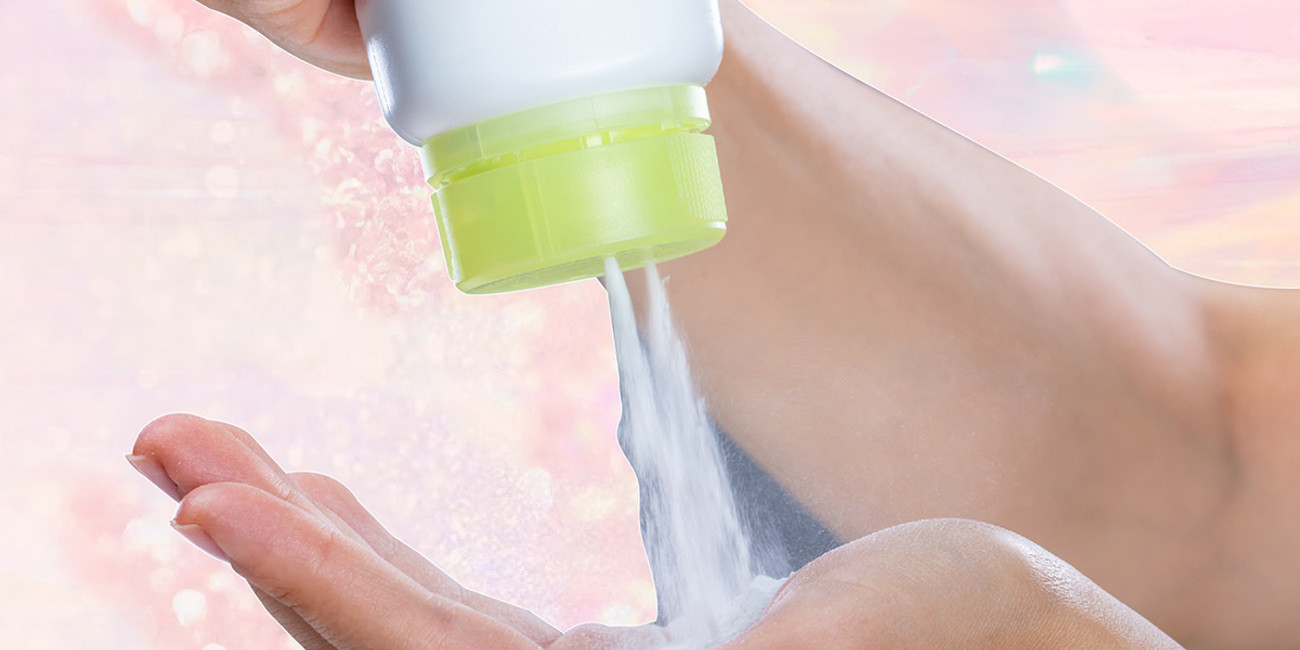
Talc powder, often associated with baby powder, has been a household staple for decades. It is used in personal care products, cosmetics, and even industrial applications. However, recent debates about its safety have sparked concerns. Dermatologists often weigh in on this topic to provide clarity. Let’s explore what talc powder is, its uses, controversies, and what dermatologists want you to know.
What Is Talc Powder?
Talc is a naturally occurring mineral composed of magnesium, silicon, and oxygen. It is mined from the earth and refined into a fine, soft powder. Talc is prized for its ability to absorb moisture, reduce friction, and provide a silky texture.
In its pure form, talc is safe for use in various products. However, unprocessed talc can sometimes contain asbestos, a substance known to cause cancer. This is why refining and testing talc is critical.
Common Uses of Talc Powder
Talc is found in:
- Baby powders: Keeps skin dry and prevents diaper rash.
- Cosmetics: Adds smoothness to products like foundations, blushes, and eyeshadows.
- Deodorants: Helps absorb sweat and reduce odor.
- Pharmaceuticals: Acts as a filler in tablets.
- Industrial products: Used in ceramics, paints, and plastics.
Despite its versatility, concerns over talc’s safety have grown, especially in personal care products.
The Safety Debate Around Talc Powder
The safety of talc powder has been under scrutiny for years. Two primary concerns are:
- Asbestos Contamination: Natural talc deposits are sometimes located near asbestos deposits. If not properly processed, talc can become contaminated. Asbestos is a known carcinogen and has been linked to lung cancer and mesothelioma.
- Ovarian Cancer Risk: Some studies have suggested a potential link between the use of talc-based products in the genital area and ovarian cancer. While the evidence is inconclusive, it has raised alarms.
What Does Research Say?
- Asbestos Risk: Modern talc products sold in the U.S. are required by law to be asbestos-free. Rigorous testing minimizes this risk.
- Ovarian Cancer Studies: Findings are mixed. Some studies indicate a slight increase in risk, while others find no significant connection. The International Agency for Research on Cancer (IARC) classifies talc used in the genital area as "possibly carcinogenic."
Dermatologists’ Perspective on Talc Powder
Dermatologists aim to educate the public on talc powder’s potential benefits and risks. Here are the key points they highlight:
1. Talc’s Role in Skincare
Talc’s ability to absorb moisture and reduce friction makes it effective for:
- Preventing chafing in humid climates.
- Soothing irritated skin.
- Keeping areas like the underarms and groin dry.
However, dermatologists caution against overuse, particularly for individuals with sensitive skin.
2. Safe Use Guidelines
Dermatologists recommend the following:
- Choose Asbestos-Free Products: Look for brands that conduct third-party testing.
- Avoid Inhalation: Use talc powder away from your face and in well-ventilated areas.
- Limit Use in Genital Areas: Until research provides clearer answers, minimize or avoid applying talc in these areas.
3. Alternatives to Talc
If you’re concerned about talc, dermatologists suggest trying alternatives like:
- Cornstarch-based powders.
- Arrowroot powder.
- Baking soda blends. These options offer similar benefits without the controversies surrounding talc.
Legal and Regulatory Updates
Talc powder has been at the center of numerous lawsuits. Companies have faced allegations of selling contaminated products and failing to warn consumers about potential risks. These cases have led to increased scrutiny and stricter regulations.
Regulatory Actions
- FDA Oversight: The U.S. Food and Drug Administration (FDA) monitors talc-containing products. Although the FDA does not currently ban talc, it encourages transparency in labeling and testing.
- Voluntary Recalls: Several companies have voluntarily recalled talc-based products after finding traces of asbestos.
Public Concerns and Misconceptions
Misinformation can amplify fears about talc powder. Dermatologists stress the importance of understanding the facts:
- Talc Is Not Always Harmful: Pure, asbestos-free talc is generally considered safe for cosmetic use.
- Not All Powders Contain Talc: Many modern products are talc-free, catering to consumers seeking safer alternatives.
By staying informed, you can make choices that align with your health priorities.
The Future of Talc Powder
As consumer preferences shift and research advances, the use of talc powder in cosmetics and personal care products is evolving. Many companies are exploring talc-free formulations to address safety concerns and meet demand.
Innovations in Skincare
- Natural Alternatives: Ingredients like rice starch and tapioca powder are gaining popularity.
- Enhanced Testing Methods: Improved technology ensures better detection of contaminants in talc.
These changes reflect a growing commitment to safety and transparency in the beauty and healthcare industries.
Final Thoughts: What Should You Do?
Talc powder remains a useful product, but its controversies cannot be ignored. Dermatologists recommend:
- Reading labels carefully.
- Choosing trusted brands that prioritize safety.
- Exploring alternatives if you have concerns.
While the risks associated with talc powder are still being studied, taking precautions can help you use it safely. With informed decisions, you can enjoy its benefits while minimizing potential harm.
Recent Posts


Subscribe to our newsletter for regular updates about Offers, Coupons & more
Follow Us
Mobile Apps