Face Packs vs Face Masks: Which One is Right for You?
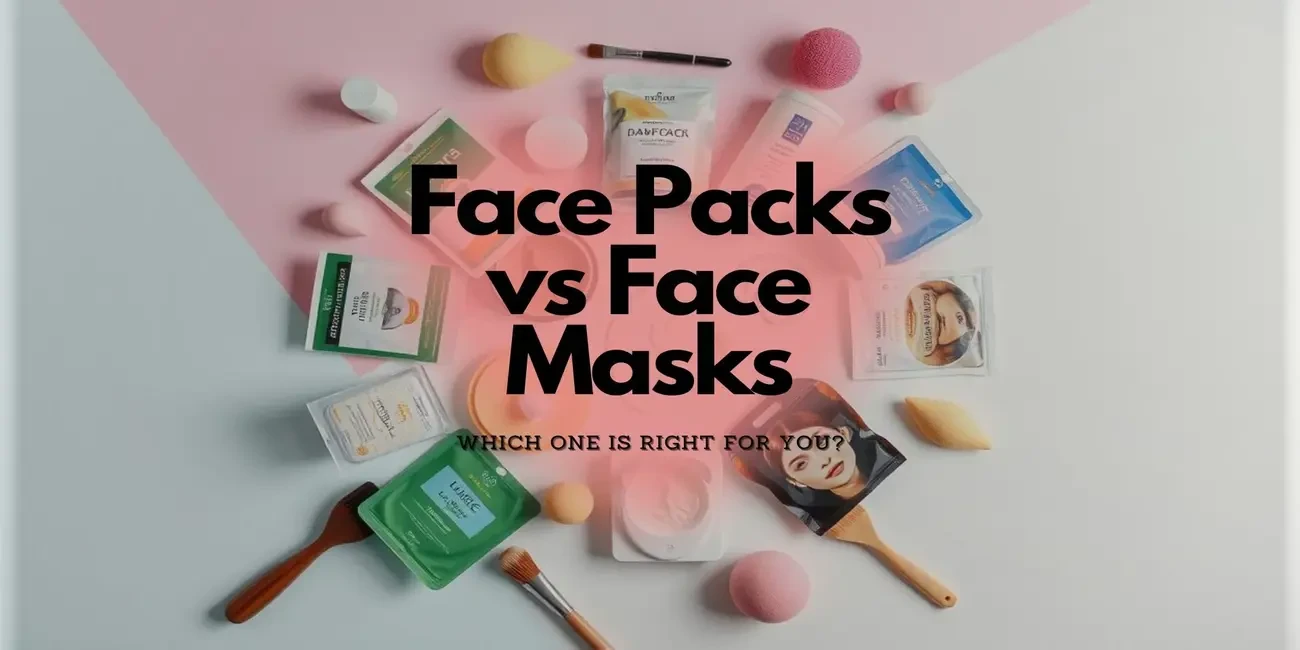
When it comes to skincare, face packs and face masks are popular choices for pampering the skin and addressing various skin concerns. Despite their similar purposes, they serve different roles in skincare routines and offer unique benefits. With so many options on the market, understanding the differences between face packs and face masks is essential for selecting the right one for your skin type and concerns. This guide will dive into what makes face packs and face masks distinct, their respective benefits, and how to choose between the two.
What is a Face Pack?
A face pack is a thick skincare product applied to the face to deliver deep nourishment and hydration. Typically made with natural ingredients such as clay, herbs, fruits, and oils, face packs aim to provide intensive treatment to the skin. Once applied, they are left on for a set period (usually 15-30 minutes) and then rinsed off. Face packs come in various forms to target specific skin concerns, including dryness, dullness, acne, and uneven skin tone. They often contain ingredients like honey, aloe vera, turmeric, or oatmeal, which are known for their soothing and rejuvenating properties.
Face packs are generally designed for weekly or bi-weekly use due to their potent formulas. They cater to different skin types, offering solutions such as deep hydration for dry skin or oil control for oily skin. The goal is to infuse the skin with nutrients and provide an instant boost to the complexion.
What is a Face Mask?
A face mask, on the other hand, can be a broader category that includes sheet masks, peel-off masks, clay masks, and hydrogel masks. Face masks deliver ingredients to the skin, creating a barrier that helps lock in moisture and enhances the absorption of active compounds. Unlike face packs, many face masks do not need to be washed off; instead, they can be peeled away or massaged into the skin for further benefits.
The main aim of a face mask is to provide targeted treatment quickly, with results often visible in just one use. For instance, sheet masks are popular for their convenience and ability to deliver a burst of hydration. Peel-off masks are used to detoxify and unclog pores, while clay masks are great for oil absorption and exfoliation. Face masks come in various formulations tailored to different skin concerns, including brightening, anti-aging, and acne control.
Face Pack vs. Face Mask: Key Differences
While both face packs and face masks offer skin-enhancing benefits, their differences lie in their formulation, application, and intended use. Here are the key distinctions:
Formulation
- Face Packs: Usually consist of a thick, paste-like consistency made from natural ingredients or a combination of powders and liquids.
- Face Masks: Can be made from various materials, such as paper, hydrogel, or clay. They can be pre-soaked in serums (sheet masks) or applied directly (peel-off or clay masks).
Application
- Face Packs: Applied in a thick layer on the skin and left to dry or semi-dry before rinsing off.
- Face Masks: May involve different types of application. Sheet masks are placed on the skin and removed after a specified time. Peel-off masks dry on the skin and are peeled away, while clay masks are rinsed off.
Frequency of Use
- Face Packs: Recommended for use once or twice a week, as their ingredients are often more concentrated.
- Face Masks: Some face masks, especially hydrating sheet masks, can be used more frequently—even daily for some products.
Targeted Benefits
- Face Packs: Focus on providing deep nourishment, hydration, and therapeutic benefits.
- Face Masks: Offer targeted solutions for specific concerns, such as detoxifying pores, brightening the skin, or providing an instant glow.
Benefits of Using Face Packs
Face packs offer several benefits, making them an essential part of a well-rounded skincare routine. Here are the key advantages:
Deep Nourishment and Hydration
Face packs are formulated with ingredients that penetrate the skin deeply, providing essential nutrients and moisture. They help restore hydration to dry, flaky skin, leaving it soft and supple.Brightening the Complexion
Many face packs contain natural brightening agents like turmeric, lemon, or yogurt, which can help improve skin tone and diminish dark spots.Soothing Inflammation
Ingredients like aloe vera, oatmeal, and chamomile found in some face packs have anti-inflammatory properties that can calm irritated skin, reduce redness, and alleviate minor skin irritations.Improving Skin Texture
Regular use of face packs can help smooth the skin, reduce rough patches, and enhance overall skin texture.Therapeutic Experience
The process of applying and leaving a face pack on the skin provides a relaxing experience, similar to a spa treatment. The soothing scent of natural ingredients can also add to the therapeutic benefits.
Benefits of Using Face Masks
Face masks, with their diverse range, offer specific and targeted benefits that can quickly transform the skin. Here are some advantages of incorporating face masks into your routine:
Quick and Convenient Skin Treatment
Face masks can provide immediate results, often within 10-20 minutes. They are convenient for those who want a quick skincare boost without a lengthy process.Targeted Solutions for Various Skin Concerns
Whether you're dealing with acne, dullness, or signs of aging, there's a face mask designed to address your specific needs. For example, charcoal masks are great for detoxifying pores, while sheet masks infused with hyaluronic acid deliver deep hydration.Enhanced Absorption of Active Ingredients
Face masks create a barrier on the skin, which helps enhance the absorption of ingredients like antioxidants, vitamins, and hydrating agents. This can lead to more noticeable improvements in skin appearance.Customizable for Different Skin Types
With various formulations available (e.g., hydrating, exfoliating, calming), face masks can be easily tailored to different skin types, including sensitive, oily, and combination skin.Peel-Off Benefits
Some masks offer additional exfoliating and pore-cleansing benefits through the peel-off process, helping to remove dead skin cells and impurities.
How to Choose Between a Face Pack and Face Mask
Selecting between a face pack and a face mask depends on your skin type, concerns, and lifestyle. Here are some factors to consider:
Skin Type
- Dry Skin: Opt for hydrating face packs that provide deep nourishment. Moisturizing sheet masks can also work well.
- Oily or Acne-Prone Skin: Use clay-based face packs or detoxifying peel-off masks to absorb excess oil and cleanse pores.
- Sensitive Skin: Choose gentle, soothing face packs with calming ingredients like chamomile or oatmeal, or use hydrating sheet masks with minimal fragrance.
Skin Concerns
- Dullness or Uneven Tone: Brightening face packs with natural exfoliants like fruit extracts can help improve radiance. Face masks with vitamin C or niacinamide can also work well.
- Aging Skin: Look for anti-aging sheet masks with collagen or peptides, or face packs containing antioxidant-rich ingredients.
- Acne or Blackheads: Detoxifying face packs with ingredients like charcoal or sulfur are beneficial. Clay masks that draw out impurities are also effective.
Time and Convenience
If you prefer a quick treatment, face masks like sheet masks are a more convenient option. If you enjoy a more immersive skincare experience, face packs can offer a spa-like feel.Frequency of Use
For frequent use, hydrating sheet masks or gentle peel-off masks are ideal. Face packs are best used once a week for a deeper treatment.
Enhancing Your Face Pack or Mask with Essential Oils
Adding essential oils to your face pack or mask can elevate the skincare experience and provide additional benefits. Here’s how to do it:
Lavender Oil for Calming Effects
Adding a few drops of lavender oil can help soothe irritated skin and reduce redness. It also has relaxing aromatherapy properties.Tea Tree Oil for Acne Control
Tea tree oil has antimicrobial properties that can help combat acne and reduce inflammation. Mix it into clay-based face packs for oily or acne-prone skin.Rosehip Oil for Anti-Aging
Rosehip oil is rich in antioxidants and vitamins A and C, making it beneficial for mature skin. Add it to face packs for extra hydration and to improve skin texture.Chamomile Oil for Sensitive Skin
Chamomile oil is excellent for calming sensitive or inflamed skin. It can be mixed into face packs made with oatmeal or aloe vera for a soothing effect.
FAQ
Which is better: face pack or face mask?
It depends on your skin type, concerns, and preferences. Face packs are ideal for deep nourishment and weekly treatments, while face masks offer targeted, quick fixes for specific issues.
What is the difference between a face pack and a face mask?
Face packs are typically thicker, applied in a layer, and rinsed off, providing deep nourishment. Face masks come in various forms (e.g., sheet, peel-off, clay) and often offer quick, targeted solutions without needing to be washed off.
How do I choose between a face pack and a face mask?
Consider your skin type, specific concerns, and time. Use hydrating packs for dry skin or detoxifying masks for oily skin. If convenience matters, opt for sheet masks.
What are the benefits of using a face pack?
Face packs offer deep hydration, soothe inflammation, brighten the complexion, improve skin texture, and provide a relaxing and therapeutic skincare experience. They are especially effective for addressing issues like dryness, dullness, and uneven skin tone, delivering potent nourishment to rejuvenate the skin.
What are the benefits of using a face mask?
Face masks provide quick and convenient treatments for a variety of skin concerns. They can deliver targeted hydration, detoxify pores, brighten the skin, or reduce signs of aging, depending on the type of mask used. The different formulations available make them versatile for various skin types and issues, with the added benefit of enhanced absorption of active ingredients.
Which one is right for your skin type: face pack or face mask?
The choice depends on your skin type and specific needs:
- Dry or Dehydrated Skin: Face packs that provide deep hydration or sheet masks infused with moisturizing serums are suitable.
- Oily or Acne-Prone Skin: Clay-based face packs or detoxifying peel-off masks help control oil production and clear out impurities.
- Sensitive Skin: Opt for calming face packs with natural ingredients or gentle sheet masks to avoid irritation.
Can face packs and face masks be used together?
Yes, you can use both face packs and face masks as part of your skincare routine, but not simultaneously. For example, use a hydrating face pack once a week for deep nourishment, and incorporate a sheet mask mid-week for an added hydration boost. Just ensure that your skin is not overwhelmed by too many products, and always follow up with a suitable moisturizer.
Recent Posts



Subscribe to our newsletter for regular updates about Offers, Coupons & more
Follow Us
Mobile Apps