Difference Between Serums & Essences
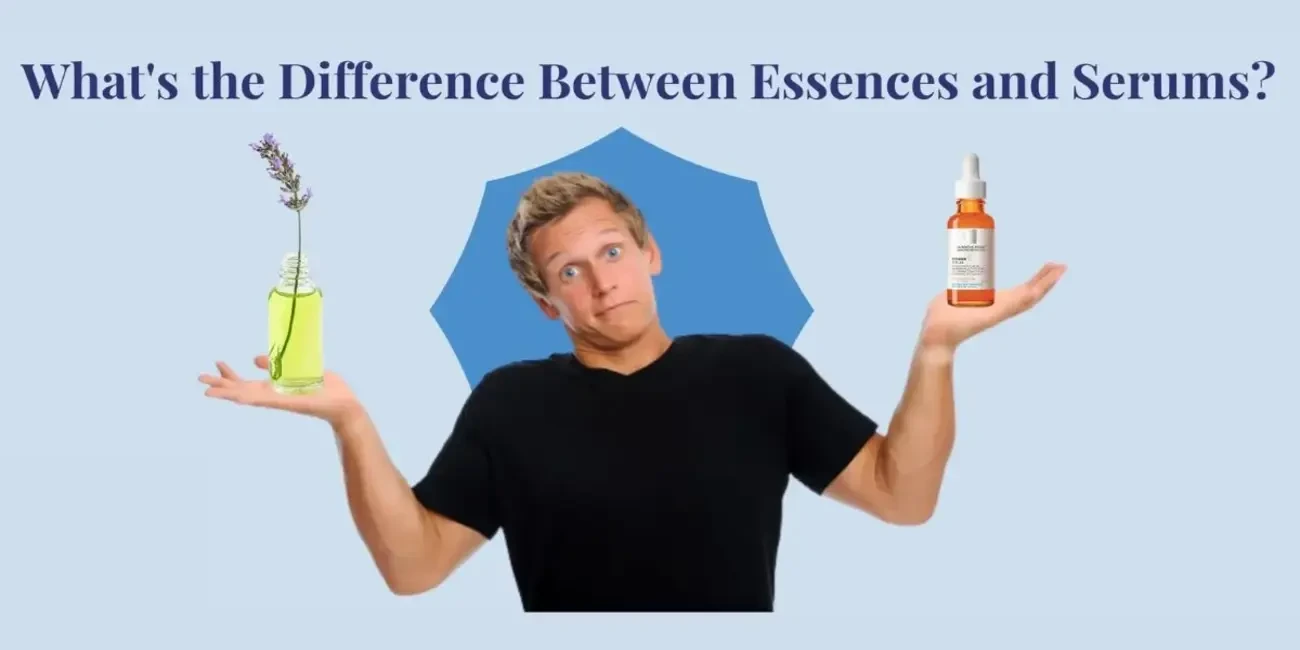
In recent years, skincare routines have become more sophisticated, with serums and essences rising in popularity for their targeted benefits. Both products promise to nourish, hydrate, and protect the skin, but they each have unique properties that make them suited to different skincare needs. However, with the wide range of products on the market, understanding which one is right for your skin type and skincare goals can be confusing. In this guide, we’ll dive into what makes serums and essences distinct, how they function, and how you can determine which product—or combination—is best for your skin.
What is a Serum?
Definition
A serum is a skincare product known for its high concentration of active ingredients. It’s typically designed to address specific skin concerns, such as fine lines, wrinkles, dark spots, or dullness. Unlike moisturizers, serums have smaller molecules that penetrate deeper into the skin, delivering potent ingredients directly to the areas that need it most.
Key Ingredients
Serums are formulated with concentrated ingredients that target particular skin issues. Some common ingredients found in serums include:
- Hyaluronic Acid: Hydrates and plumps the skin by retaining moisture.
- Vitamin C: Brightens the skin and reduces dark spots and pigmentation.
- Retinoids (like Retinol): Improves skin texture and reduces the appearance of fine lines and wrinkles.
- Niacinamide: Helps control oil production, reduces inflammation, and brightens skin.
- Peptides: Supports collagen production for firmer, youthful skin.
These ingredients make serums a powerful step in any skincare routine.
Texture and Consistency
Serums are generally thicker and more viscous compared to essences, making them ideal for layering in a skincare routine. They can vary from gel-like to almost oil-based, depending on the formulation. This consistency allows them to stay on the skin longer, letting the active ingredients penetrate deeply for maximum effect.
Primary Functions
Serums are highly effective for treating specific concerns due to their concentration of active ingredients. Their primary functions include:
- Anti-Aging: Many serums are formulated to reduce the appearance of fine lines, wrinkles, and age spots.
- Brightening: Vitamin C serums, for instance, work to even skin tone and improve radiance.
- Hydration: Hyaluronic acid serums help boost moisture levels, leaving skin looking plump and smooth.
- Acne Control: Ingredients like salicylic acid and niacinamide target acne-prone skin, helping to reduce breakouts and minimize pore appearance.
What is an Essence?
Definition
An essence is a lightweight, water-based product used primarily for hydrating and preparing the skin. Essences originated in Korean skincare routines and are designed to be applied after cleansing and toning but before serum. While serums focus on treatment, essences work to prime the skin, ensuring it’s well-hydrated and receptive to other products.
Key Ingredients
Essences typically contain ingredients that enhance moisture and boost the absorption of subsequent products. Common ingredients in essences include:
- Fermented Extracts: Ingredients like fermented yeast extract or rice extract boost skin hydration and promote elasticity.
- Hyaluronic Acid: Also found in some essences for extra hydration.
- Botanical Extracts: Natural extracts, like green tea or aloe vera, offer calming and antioxidant benefits.
- Glycerin: A common humectant that draws moisture into the skin.
Essences are gentle on the skin, making them suitable for all skin types, including sensitive skin.
Texture and Consistency
Essences are lightweight, often watery or slightly thicker, making them easy to absorb. Unlike serums, which are denser, essences glide smoothly onto the skin, providing a quick, hydrating layer that doesn’t feel heavy. This texture allows them to deliver hydration without clogging pores or leaving a residue.
Primary Functions
The main purpose of an essence is to prepare and hydrate the skin. By doing so, it enhances the effectiveness of other products applied afterward. Here’s what an essence offers:
- Deep Hydration: Essences boost moisture, keeping the skin soft and supple.
- Preparation: They prime the skin, improving the absorption of serums, moisturizers, and other treatments.
- Improvement of Skin Texture: Some essences with fermented ingredients can help to even out the skin’s surface, making it appear smoother and more refined.
Key Differences Between Serums and Essences
Concentration
The concentration of active ingredients is the primary difference between serums and essences. Serums are more concentrated, which allows them to target specific skin issues directly. Essences, on the other hand, are milder and focus on overall skin health rather than targeting individual problems.
Texture and Absorption
Serums have a thicker, often gel-like consistency, making them ideal for layering as the final treatment step. Essences, being more liquid and lightweight, absorb quickly and can be applied as a pre-treatment step to help subsequent products work better.
Order in Skincare Routine
In a typical skincare routine, essences are applied after toner and before serum. This layering allows the skin to absorb the essence’s hydrating ingredients, preparing it for the serum’s concentrated actives. The correct order enhances each product's effectiveness and maximizes benefits.
Targeted Concerns vs. Overall Skin Health
Serums are best for individuals looking to address specific skin concerns like pigmentation, signs of aging, or acne. Essences, however, are more focused on hydration and skin preparation, helping the skin to absorb the benefits of additional skincare steps.
When to Use a Serum Or an Essence
Skin Type Considerations
Choosing between a serum and an essence often depends on skin type:
- Dry Skin: Both serums and essences can be beneficial, but those with dry skin may prioritize an essence for its deep hydration properties.
- Oily or Acne-Prone Skin: Lightweight essences may work well for oily skin, while serums with niacinamide or salicylic acid can address acne concerns.
- Sensitive Skin: Essences, due to their mild ingredients, are generally suitable for sensitive skin. However, those with sensitive skin should choose gentle, non-irritating serums if they wish to use both.
Skin Goals
Consider what you want to achieve with your skincare routine. If you’re aiming to address specific concerns (e.g., wrinkles, pigmentation), a serum is a good choice. If your goal is to maintain general hydration and skin health, an essence may be sufficient.
Can You Use Both Together?
Layering Techniques
Yes, serums and essences can be used together for a comprehensive skincare routine. To layer them effectively:
- Cleanse and Tone: Start by cleansing and toning your skin to remove impurities.
- Apply Essence: Dab a small amount of essence onto your face, gently patting it in to help absorption.
- Apply Serum: Once the essence has absorbed, apply your serum over it. This method enhances hydration and ensures the serum’s active ingredients reach deeper layers of the skin.
Potential Benefits
Using both products can improve skin hydration, absorption, and overall effectiveness. The essence prepares the skin, while the serum provides concentrated treatment, making this combination ideal for achieving radiant, well-nourished skin.
Choosing the Right Product for Your Skin
Identify Your Skin Needs
The first step in choosing between a serum and an essence is to identify your primary skin needs. Are you looking to combat dryness, address signs of aging, or improve skin clarity? Answering this question will help you decide which product will bring you the most benefit.
Sample Product Recommendations
To make things easier, here are some product recommendations for different skin concerns:
- For Hydration: Look for an essence with hyaluronic acid or fermented extracts.
- For Anti-Aging: Choose a serum with peptides, retinol, or vitamin C.
- For Brightening: A vitamin C serum or an essence with botanical extracts can help brighten dull skin.
Always remember to patch-test new products to ensure they are suitable for your skin.
Final Thoughts
Understanding the difference between serums and essences can help you make informed choices for your skincare routine. While serums offer targeted treatment for specific issues, essences focus on hydration and skin preparation, making each product unique and valuable. Whether you choose to use one or both depends on your skin type, goals, and the level of care you want to invest in your skincare regimen. By tailoring your products to your needs, you’ll be well on your way to achieving a healthy, glowing complexion.
Recent Posts



Subscribe to our newsletter for regular updates about Offers, Coupons & more
Follow Us
Mobile Apps