Canned Vegetables
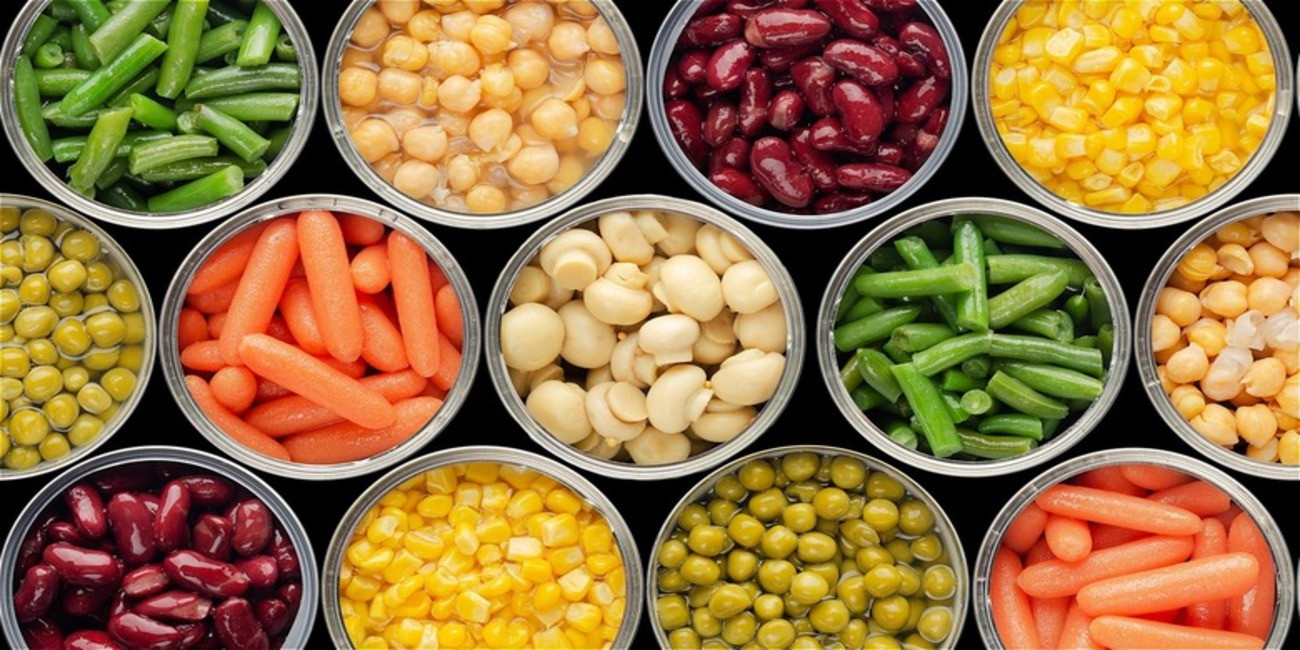
Canned vegetables have become a staple in many households due to their convenience, affordability, and long shelf life. These products are not only practical but also offer a variety of nutritional benefits comparable to fresh and frozen vegetables. This blog post will delve into the world of canned vegetables, exploring their nutritional value, benefits, types, culinary uses, and tips for selecting and storing them.
What Are Canned Vegetables?
Canned vegetables are processed and preserved by sealing them in airtight containers, typically metal cans, and then heat sterilizing them. This process helps maintain the nutritional value of the vegetables while extending their shelf life. Common examples of canned vegetables include tomatoes, corn, peas, green beans, carrots, and mixed vegetable blends. These products are often available year-round and can be used in various culinary applications, from soups and stews to salads and casseroles.
Nutritional Value of Canned Vegetables
Comparison with Fresh and Frozen Vegetables
Canned vegetables are often perceived as less nutritious than their fresh or frozen counterparts. However, research indicates that canned vegetables can be just as nutritious. A study published in the American Journal of Lifestyle Medicine found that canned fruits and vegetables retain most of their vitamins and minerals during the canning process. In some cases, such as canned tomatoes, the nutrient content may even increase due to the cooking process that occurs during canning
Nutrients in Canned Vegetables
Canned vegetables are rich in essential nutrients:
- Vitamins: Many canned vegetables are excellent sources of vitamins A, C, and K. For example, canned tomatoes provide a significant amount of vitamin C and lycopene, an antioxidant linked to various health benefits.
- Minerals: Canned vegetables often contain important minerals such as potassium, magnesium, and calcium. These minerals play crucial roles in maintaining healthy bodily functions.
- Fiber: Canned beans and legumes are particularly high in fiber, which is essential for digestive health. The canning process makes fiber more soluble and easier for the body to digest15.
- Antioxidants: The canning process can enhance the bioavailability of certain antioxidants found in vegetables.
Health Benefits
Incorporating canned vegetables into your diet offers several health benefits:
- Convenience: Canned vegetables are pre-cooked and ready to use, making meal preparation quick and easy.
- Cost-Effectiveness: They are often more affordable than fresh or frozen options, helping families stretch their grocery budgets1.
- Reduced Food Waste: Canned vegetables have a long shelf life, reducing the likelihood of spoilage compared to fresh produce.
- Year-Round Availability: They provide access to seasonal vegetables throughout the year.
Types of Canned Vegetables
Canned vegetables come in various forms to suit different culinary needs:
Regular Canned Vegetables
These are the standard versions available on supermarket shelves. They include whole or cut vegetables packed in water or brine. Common examples include:
- Corn
- Green beans
- Peas
- Carrots
- Mixed vegetable blends
Low-Sodium Options
For those monitoring their sodium intake, many brands offer low-sodium versions of canned vegetables. These options contain less salt while still retaining flavor.
Specialty Varieties
Some canned vegetables come with added spices or sauces to enhance their taste. Examples include:
- Canned chili beans
- Diced tomatoes with herbs
- Sauced corn or peas
Culinary Uses for Canned Vegetables
Canned vegetables are incredibly versatile in cooking. Here are some popular ways to incorporate them into meals:
Soups and Stews
Canned vegetables can serve as a base for hearty soups and stews. Simply add them to broth along with proteins like chicken or beans for a nutritious meal.
Salads
Canned beans or corn can add protein and texture to salads. Mix them with fresh greens for a quick side dish.
Pasta Dishes
Add canned tomatoes or mixed vegetables to pasta sauces for extra flavor and nutrition. They can also be tossed directly into pasta dishes for a complete meal.
Casseroles
Canned vegetables work well in casseroles due to their soft texture. Combine them with grains like rice or quinoa for a filling dish.
Stir-Fries
While fresh is often preferred for stir-fries, canned bamboo shoots or water chestnuts add crunch without requiring additional prep time.
Selecting Quality Canned Vegetables
When shopping for canned vegetables, consider the following tips:
Check Labels
Always read nutrition labels when selecting canned goods. Look for options with lower sodium levels and minimal added sugars or preservatives.
Choose BPA-Free Cans
BPA (bisphenol A) is a chemical found in some can linings that may pose health risks. Look for brands that use BPA-free cans.
Inspect the Can Condition
Avoid purchasing cans that are dented, rusted, or bulging as these may indicate spoilage or contamination.
Storing Canned Vegetables
Proper storage is essential for maintaining the quality of canned goods:
Shelf Life
Unopened canned vegetables have a long shelf life—typically 2–5 years from the date of production. Always check the expiration date before purchasing.
Storage Conditions
Store canned goods in a cool, dry place away from direct sunlight. Avoid areas with high humidity or temperature fluctuations.
After Opening
Once opened, transfer any unused contents to an airtight container and refrigerate. Use within 3–4 days for optimal freshness.
Myths About Canned Vegetables
Several misconceptions surround canned vegetables that deserve clarification:
Myth 1: They Are Less Nutritious Than Fresh Vegetables
As mentioned earlier, research shows that canned vegetables retain most nutrients during processing. In some cases, they may even provide enhanced nutrient availability
Myth 2: They Contain Harmful Chemicals
While some cans may contain BPA linings, many brands now offer BPA-free options. Always check labels if you have concerns about chemicals in food packaging.
Myth 3: They Are Only Suitable for Certain Recipes
Canned vegetables are incredibly versatile and can be used in a wide variety of dishes beyond soups—such as casseroles, salads, pasta dishes, and more.
Conclusion
Canned vegetables offer an accessible way to boost your intake of essential nutrients while providing convenience and cost savings. With their long shelf life and versatility in cooking applications, they can easily fit into any diet. By understanding their nutritional benefits and learning how to select quality products, you can make informed choices that enhance your meals without compromising on health.Incorporate more canned veggies into your diet today—whether it’s through hearty soups on cold days or refreshing salads during summer months—and enjoy the myriad benefits they bring!
Recent Posts




Subscribe to our newsletter for regular updates about Offers, Coupons & more
Follow Us
Mobile Apps