Artificial Sweetners
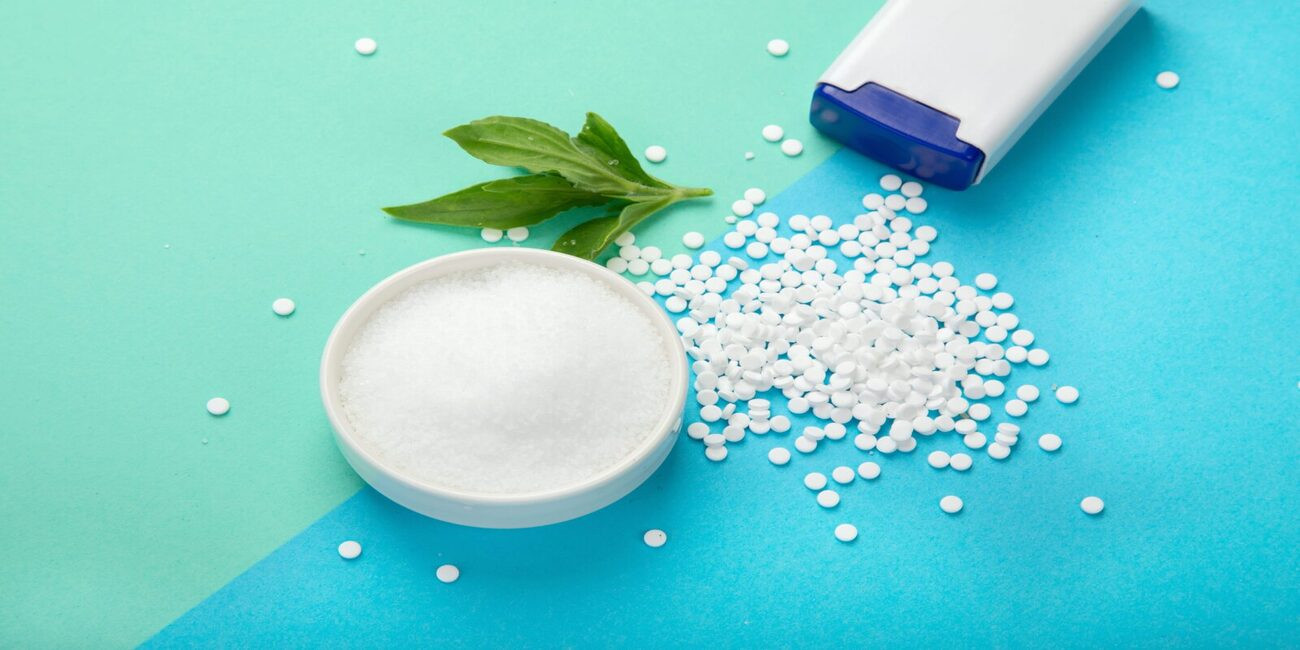
Artificial sweeteners are substances that provide sweetness to food and beverages without the calories associated with traditional sugar (sucrose). They are often used as sugar substitutes in a variety of products, from diet sodas to baked goods. This blog will explore the different types of artificial sweeteners, their benefits and drawbacks, and their impact on health.
What Are Artificial Sweeteners?
Artificial sweeteners are synthetic sugar substitutes that are many times sweeter than sugar itself. They can be derived from natural substances or created through chemical processes. The primary purpose of these sweeteners is to provide a sweet taste while minimizing caloric intake.
Types of Artificial Sweeteners
Artificial sweeteners can be classified into two main categories: high-intensity sweeteners and sugar alcohols.High-Intensity Sweeteners: These are compounds that are significantly sweeter than sucrose, requiring only a small amount to achieve the desired sweetness. Common examples include:
- Aspartame: Approximately 200 times sweeter than sugar, aspartame is commonly found in soft drinks and low-calorie foods. It is composed of phenylalanine, aspartic acid, and methanol.
- Sucralose: About 600 times sweeter than sugar, sucralose is derived from sucrose and is stable under heat, making it suitable for baking.
- Saccharin: One of the oldest artificial sweeteners, saccharin is 200 to 700 times sweeter than sugar but has a bitter aftertaste.
- Acesulfame Potassium (Ace-K): This sweetener is about 200 times sweeter than sugar and is often used in combination with other sweeteners to enhance sweetness.
- Stevia: A natural sweetener derived from the leaves of the Stevia rebaudiana plant, stevia is considered a healthier alternative due to its plant-based origin.
Sugar Alcohols: These include substances like xylitol and erythritol, which provide sweetness with fewer calories than sugar. They are often used in sugar-free products and have a lower glycemic index.
Benefits of Artificial Sweeteners
Artificial sweeteners offer several advantages:
- Weight Management: They can help reduce caloric intake, making them popular among individuals looking to lose weight or manage their weight.
- Blood Sugar Control: Unlike regular sugar, artificial sweeteners do not cause significant spikes in blood glucose levels, making them suitable for people with diabetes.
- Dental Health: Many artificial sweeteners do not contribute to tooth decay, unlike regular sugar.
Drawbacks and Controversies
Despite their benefits, artificial sweeteners have been subject to scrutiny and debate regarding their safety and health effects:
- Health Concerns: Some studies have linked certain artificial sweeteners, particularly aspartame, to health issues such as headaches, digestive problems, and even more severe conditions like cancer. However, regulatory bodies like the FDA have deemed them safe for consumption within established limits.
- Taste Differences: Many users report that artificial sweeteners have an aftertaste or flavor profile that differs from natural sugar, which can affect the overall enjoyment of food and beverages.
- Potential for Overconsumption: The use of artificial sweeteners may lead some individuals to indulge in other high-calorie foods under the assumption that they are saving calories by using these substitutes.
How Artificial Sweeteners Work
Artificial sweeteners stimulate the taste buds on the tongue similarly to how sugar does but often at much lower concentrations due to their high sweetness intensity. This allows manufacturers to create low-calorie products while still providing a satisfying sweetness.
Metabolism of Artificial Sweeteners
The body metabolizes different artificial sweeteners in various ways:
- Aspartame breaks down into its constituent amino acids and methanol when consumed. While methanol can be toxic in large quantities, the amount produced from aspartame is considered safe.
- Sucralose, on the other hand, passes through the body largely unchanged because it is not metabolized by the body for energy.
Regulatory Status
In many countries, including the United States and European Union nations, artificial sweeteners undergo rigorous testing before being approved for use in food products. Regulatory agencies assess their safety based on scientific research and establish acceptable daily intake levels.
Popular Artificial Sweetener Brands
Here’s a table summarizing some commonly used artificial sweeteners along with their characteristics:
| Sweetener | Sweetness Level (compared to sugar) | Calories per gram | Common Uses |
|---|---|---|---|
| Aspartame | 200 times | 4 | Soft drinks, desserts |
| Sucralose | 600 times | 0 | Baked goods, beverages |
| Saccharin | 200-700 times | 0 | Soft drinks, candies |
| Acesulfame Potassium | 200 times | 0 | Baked goods, soft drinks |
| Stevia | 50-300 times | 0 | Beverages, desserts |
The Future of Artificial Sweeteners
As consumer preferences shift towards healthier options with fewer additives, there is an increasing demand for natural alternatives like stevia and monk fruit extract. Research continues into new artificial sweeteners that may offer improved taste profiles or additional health benefits.
Innovations in Sweetening Agents
Recent innovations include the development of new compounds that mimic the taste of sugar more closely without its caloric content. These advancements aim to satisfy consumer demand while addressing health concerns associated with traditional artificial sweeteners.
Conclusion
Artificial sweeteners serve as valuable tools for those seeking to reduce their sugar intake without sacrificing sweetness. While they offer several benefits—such as aiding weight management and controlling blood sugar levels—they also come with potential drawbacks that warrant careful consideration. As research evolves and consumer preferences change, the landscape of artificial sweeteners will likely continue to develop.Understanding both sides of this debate can empower consumers to make informed choices about their dietary habits while enjoying the flavors they love.
Recent Posts


Subscribe to our newsletter for regular updates about Offers, Coupons & more
Follow Us
Mobile Apps