All You Need To Know About Sun Protection
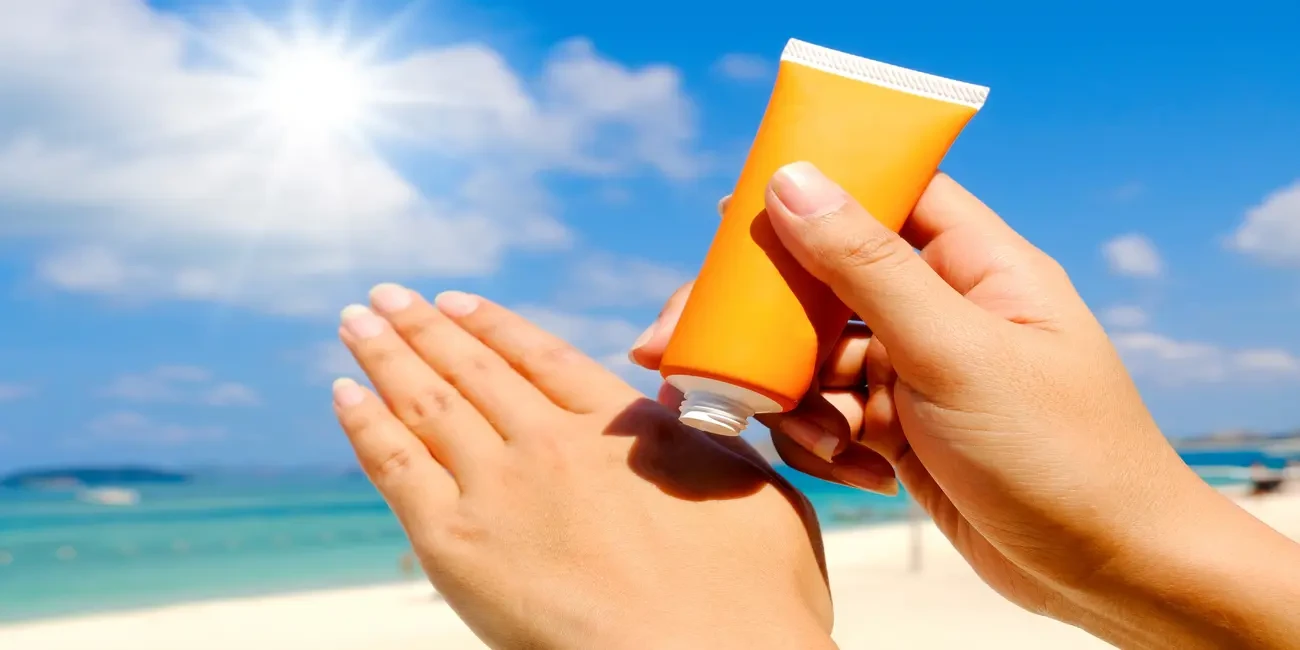
Sun protection is a crucial aspect of skincare that helps prevent damage from ultraviolet (UV) rays. Whether you’re planning to spend a day at the beach or just heading out for a short walk, understanding sun protection is essential for maintaining healthy skin. In this detailed guide, we’ll cover why sun protection is important, how it works, and what measures you can take to keep your skin safe.
Why Is Sun Protection Important?
Sun protection is vital because exposure to UV rays can lead to various skin problems, ranging from mild to severe. Here are some key reasons why protecting your skin from the sun is important:
- Prevention of Skin Cancer: UV radiation from the sun is a major risk factor for skin cancer, including melanoma, which can be life-threatening. Protecting your skin from sun exposure reduces the risk of developing these conditions.
- Avoidance of Premature Aging: Prolonged sun exposure accelerates skin aging, leading to wrinkles, fine lines, and loss of skin elasticity. UV rays break down collagen, the protein that keeps skin firm and smooth.
- Reduction of Sunburns: Sunburn is an immediate reaction to excessive sun exposure, causing redness, pain, and, in severe cases, blistering. Repeated sunburns can increase the risk of long-term skin damage.
- Protection Against Hyperpigmentation: UV exposure can trigger the production of melanin, leading to dark spots and uneven skin tone. This condition, known as hyperpigmentation, is often difficult to reverse.
Does Sun Protection Counteract UVA and UVB Rays?
Sun protection products are designed to shield the skin from two main types of UV rays: UVA and UVB.
- UVA Rays: These rays penetrate deep into the skin and contribute to premature aging and skin cancer. UVA rays can pass through glass, meaning you can still be exposed to them indoors.
- UVB Rays: These rays primarily cause sunburn and play a significant role in the development of skin cancer. UVB rays are stronger during midday, and prolonged exposure can lead to direct DNA damage.
Effective sun protection should counteract both UVA and UVB rays. This is indicated by broad-spectrum sunscreen products, which provide coverage against the full range of harmful UV radiation.
Are There Different Kinds of Sun Protection?
Yes, sun protection comes in several forms, and each offers a unique way to protect the skin. The main types of sun protection include:
- Sunscreens: These are topical products that contain chemical or physical ingredients to absorb or reflect UV radiation. Chemical sunscreens absorb UV rays, while physical sunscreens (mineral sunscreens) contain ingredients like zinc oxide or titanium dioxide that reflect UV rays.
- Clothing: Wearing sun-protective clothing such as long-sleeved shirts, pants, and wide-brimmed hats can block out UV rays. Clothing specifically designed for UV protection is often rated with a UPF (Ultraviolet Protection Factor) value.
- Sunglasses: UV-protective sunglasses are essential for protecting the eyes from UV rays, which can damage the eyes and surrounding skin. Look for sunglasses that block 100% of UVA and UVB rays.
- Shade: Staying in the shade, especially during peak sunlight hours (10 a.m. to 4 p.m.), can significantly reduce UV exposure.
- Window Film: Applying UV-blocking film to windows at home or in the car can help minimize UV exposure while indoors.
How Long Can Skin Be Exposed to Sunlight?
The amount of time skin can be exposed to sunlight before damage occurs depends on several factors:
- Skin Type: Fair-skinned individuals tend to burn more quickly than those with darker skin. The Fitzpatrick skin type classification system can help determine how prone someone is to sunburn.
- Time of Day: UV radiation is strongest between 10 a.m. and 4 p.m., making sun exposure more dangerous during these hours.
- Altitude and Geography: Higher altitudes and locations closer to the equator experience more intense UV radiation, reducing the time it takes for skin damage to occur.
- Use of Sunscreen: When sunscreen is applied correctly, it can extend the time you can safely stay in the sun, but it does not provide complete protection.
Generally, sunburn can begin within as little as 15 minutes of sun exposure, particularly for individuals with fair skin.
Do Sun Creams Provide Complete Protection Against UVA and UVB Rays?
No, sun creams (sunscreens) do not provide complete protection. Even broad-spectrum sunscreens, which protect against both UVA and UVB rays, are not 100% effective. Here are some reasons why:
- Application Errors: Many people do not apply enough sunscreen or miss certain areas, reducing the product's effectiveness.
- Sweating or Swimming: Water and sweat can wash away sunscreen, even if it's water-resistant. Reapplying sunscreen every two hours or after swimming or sweating is crucial.
- SPF Limitations: The Sun Protection Factor (SPF) indicates the level of UVB protection, but no SPF can block all UV rays. An SPF 30 sunscreen blocks about 97% of UVB rays, while SPF 50 blocks about 98%.
Therefore, combining sunscreen with other protective measures, such as wearing protective clothing and seeking shade, provides more effective sun protection.
How Much Sun Protection Should Be Applied?
For sunscreen to be effective, it needs to be applied generously. Here are some guidelines for proper application:
- Face and Neck: Use about a teaspoon of sunscreen for your face and neck combined. Don't forget the ears and back of the neck.
- Body: For the entire body, approximately one ounce (about a shot glass full) is needed. This ensures adequate coverage for all exposed areas.
- Reapplication: Sunscreen should be reapplied every two hours, or more frequently if you're swimming or sweating.
- Lips and Eyes: Don't forget to protect your lips with a lip balm that has SPF, and use sunscreen formulated for the eye area if necessary.
Which Sun Protection Factor Should I Be Using?
The appropriate SPF depends on your skin type, the duration of sun exposure, and the activities planned. Here are some general recommendations:
- SPF 15: Suitable for everyday use, such as short periods outdoors. It provides about 93% UVB protection.
- SPF 30: A good choice for most people spending extended time outdoors. It blocks approximately 97% of UVB rays.
- SPF 50: Recommended for fair-skinned individuals, those with a history of skin cancer, or anyone spending significant time outdoors. It blocks about 98% of UVB rays.
Remember that no sunscreen can block 100% of UV rays, so other protective measures should still be taken.
What Other Measures Can I Take to Protect My Skin Against the Sun?
While sunscreen is an important part of sun protection, additional steps can help ensure your skin is well-protected:
- Wear Protective Clothing: Opt for long-sleeved shirts, long pants, and wide-brimmed hats that offer coverage for your skin.
- Seek Shade: When outdoors, stay in the shade as much as possible, especially during peak sunlight hours. This reduces the amount of direct UV exposure.
- Use Sunglasses: Protect your eyes with sunglasses that have 100% UV protection to prevent damage to both the eyes and the delicate skin around them.
- Avoid Tanning Beds: Tanning beds emit UV radiation that can cause skin damage similar to natural sunlight. It’s best to avoid them altogether.
- Use UV-Blocking Window Film: Installing UV-filtering film on windows can help protect your skin while indoors, especially if you spend a lot of time near windows.
What Form of Sun Protection Do Natural Cosmetics Provide?
Natural cosmetics, often marketed as "organic" or "mineral-based," can provide sun protection by using physical blockers such as zinc oxide and titanium dioxide. Here’s what you need to know:
- Zinc Oxide and Titanium Dioxide: These minerals sit on the skin's surface and physically block UV rays, offering broad-spectrum protection. They are commonly used in natural sunscreens and are less likely to cause irritation compared to chemical filters.
- Natural Oils and Butters: Some natural products contain oils like raspberry seed oil or shea butter, which have limited SPF properties. However, they should not be relied on as the sole form of sun protection.
- Eco-Friendly Formulations: Natural sunscreens are often made without harmful chemicals, making them a popular choice for people seeking environmentally friendly products.
While natural cosmetics can provide sun protection, it’s essential to choose products with a high enough SPF and broad-spectrum coverage for effective results.
Final Thoughts
Sun protection is an essential aspect of daily skincare that goes beyond just applying sunscreen. A comprehensive approach, including the use of protective clothing, seeking shade, and choosing the right SPF, will help ensure your skin stays healthy and protected from harmful UV rays. Remember that even on cloudy days, up to 80% of UV rays can penetrate the clouds, so practicing sun protection daily is a wise choice. Taking these preventive measures will help you maintain youthful, radiant skin while reducing the risk of serious conditions such as skin cancer.
Recent Posts



Subscribe to our newsletter for regular updates about Offers, Coupons & more
Follow Us
Mobile Apps