Advantages and Disadvantages of Electric Massagers
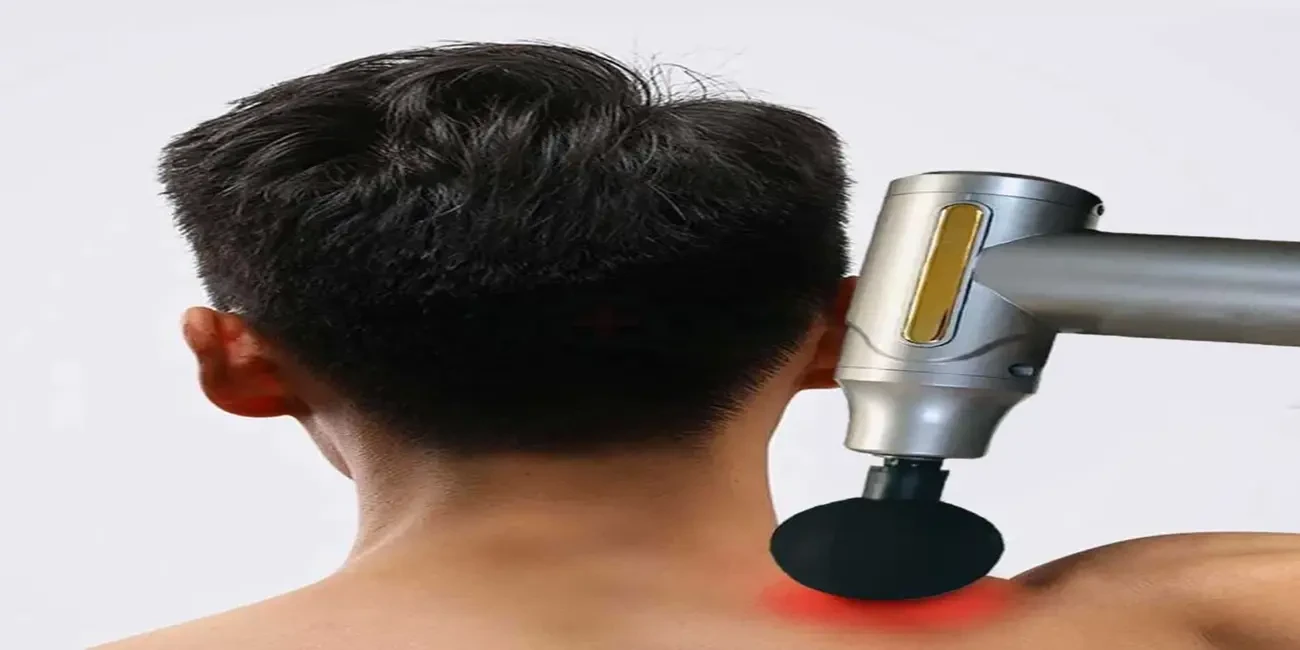
Electric massagers have become a popular choice for many seeking relief from muscle tension, stress, and pain. These devices offer the convenience of at-home massage sessions without the need to visit a professional. With advancements in technology, electric massagers come in various types, from handheld devices to massage chairs, making relaxation and pain relief accessible and affordable. However, like any tool, electric massagers come with both advantages and disadvantages. In this article, we’ll delve into the benefits and drawbacks of electric massagers to help you decide if they are right for you.
Advantages of Electric Massagers
Electric massagers provide a range of health and wellness benefits that can be enjoyed in the comfort of your home. Here are some of the top advantages:
1. Convenience and Accessibility
Electric massagers allow you to get a massage whenever and wherever you need it. There’s no need to book appointments, wait for availability, or travel to a spa or massage therapist. For those with busy schedules or mobility limitations, the ability to receive massage therapy at home is a significant advantage.
2. Pain Relief and Muscle Relaxation
One of the main reasons people use electric massagers is for pain relief. Electric massagers target sore muscles, easing muscle stiffness and relieving tension. Whether you’re dealing with chronic back pain, neck stiffness, or post-workout soreness, electric massagers can be highly effective at relaxing muscle groups and reducing discomfort.
Common areas targeted include:
- Lower back
- Neck and shoulders
- Legs and feet
3. Improved Blood Circulation
Using an electric massager promotes better blood circulation. By stimulating blood flow, massagers help distribute oxygen and nutrients to muscle tissues and joints, which can support faster recovery and reduce inflammation. Good blood circulation also promotes better overall health and can prevent issues such as blood clotting in the legs, which is especially beneficial for those who sit for long periods.
4. Stress Relief and Mental Relaxation
Massage therapy is widely known for its calming and stress-reducing effects. Electric massagers can release endorphins, often referred to as "feel-good" hormones, which can improve mood and reduce stress levels. This benefit is crucial in today’s high-stress world, where relaxation and mental well-being are often overlooked.
5. Cost-Effective
While an electric massager may seem like a significant initial investment, it can save you money over time. Professional massages can cost anywhere from $60 to $150 per session. Over a year, these costs add up. Electric massagers, especially handheld or chair models, are a one-time purchase that pays for itself after just a few uses, making it a cost-effective option for regular massage therapy.
6. Variety of Massage Options
Modern electric massagers come with customizable settings that allow users to choose from different types of massages, such as shiatsu, kneading, vibration, and heat therapy. Some high-end models even mimic techniques like tapping or rolling. This versatility means that users can select their preferred style and intensity based on their needs.
Disadvantages of Electric Massagers
While electric massagers offer multiple benefits, they also come with certain limitations. Here are some disadvantages to consider:
1. Risk of Overuse
One of the drawbacks of electric massagers is the risk of overuse, particularly if used in high-intensity settings. Overusing a massager, especially on the same muscle group, can lead to muscle soreness, bruising, or tissue damage. It’s essential to use these devices with caution, follow recommended usage times, and allow muscle groups to recover.
2. Lack of Personalization
Electric massagers cannot fully replace the personalized experience of a trained massage therapist. Massage therapists can adjust their techniques in response to your body’s feedback and can target specific problem areas based on your needs. Electric massagers, even with adjustable settings, may not provide the same level of tailored care, especially for people with unique physical conditions or injuries.
3. Potential for Minor Injuries
Improper use of electric massagers can sometimes lead to minor injuries, such as pinched nerves, muscle strain, or joint discomfort. High-intensity massage settings can apply excessive pressure on sensitive areas, which may exacerbate an existing injury or cause discomfort. To avoid this, users should read and follow the manufacturer’s guidelines and avoid using the massager on areas where they feel pain or discomfort.
4. Limited Effectiveness for Certain Conditions
While electric massagers can relieve general muscle tension, they may not be effective for deep-tissue issues or specific medical conditions. For example:
- Chronic pain: Those with chronic pain conditions like fibromyalgia may require a more specialized approach.
- Joint pain: Electric massagers often focus on muscle relief rather than joint pain. Joint issues may require other forms of therapy, such as physiotherapy or medical intervention.
If you have a specific health condition, consult a healthcare provider before using an electric massager.
5. Noise and Power Dependency
Many electric massagers produce noise when in use, which can be bothersome, especially for those who prefer a quiet environment during relaxation. Additionally, since these devices require power to operate, they are less convenient if you’re traveling or away from a power source. Battery-operated devices are an alternative but need regular recharging or replacement batteries.
6. Maintenance and Repair Costs
Like any electronic device, electric massagers may require maintenance or repairs over time. Some high-end models can be costly to fix if they break down. In addition, if the massager has several moving parts, they may wear out more quickly. Routine maintenance and occasional repairs are something to consider when weighing the long-term value of an electric massager.
Is an Electric Massager Right for You?
Electric massagers can be beneficial, but they aren’t the perfect solution for everyone. Here are some factors to consider before investing in one:
- Lifestyle: If you have a busy lifestyle and struggle to find time for professional massages, an electric massager offers a convenient alternative. However, if you rarely experience muscle tension or soreness, it may be an unnecessary purchase.
- Health Conditions: If you have a specific health condition, such as a chronic pain disorder, arthritis, or nerve damage, consult your doctor before using an electric massager.
- Budget: Electric massagers range from affordable handheld options to more expensive massage chairs. Determine your budget and choose a device that meets your needs without compromising on quality.
Final Thoughts
Electric massagers offer a practical solution for individuals seeking relief from muscle tension, stress, and pain in the comfort of their own homes. With a variety of types and settings, electric massagers cater to many preferences and can provide a relaxing experience. However, it’s essential to use them responsibly, understand their limitations, and keep in mind any health considerations.
In the end, an electric massager can be a valuable addition to your self-care routine if used correctly and with awareness of its potential drawbacks. As with any tool, balancing the pros and cons will help you determine if this investment is worth it for you. Whether you choose a handheld device, a neck massager, or a full-body massage chair, understanding what these devices can offer (and where they fall short) will ensure you make an informed decision that aligns with your health and relaxation goals.
Recent Posts



Subscribe to our newsletter for regular updates about Offers, Coupons & more
Follow Us
Mobile Apps