3 Reasons Why Baby Shampoo Falls Short for Kids Over 5
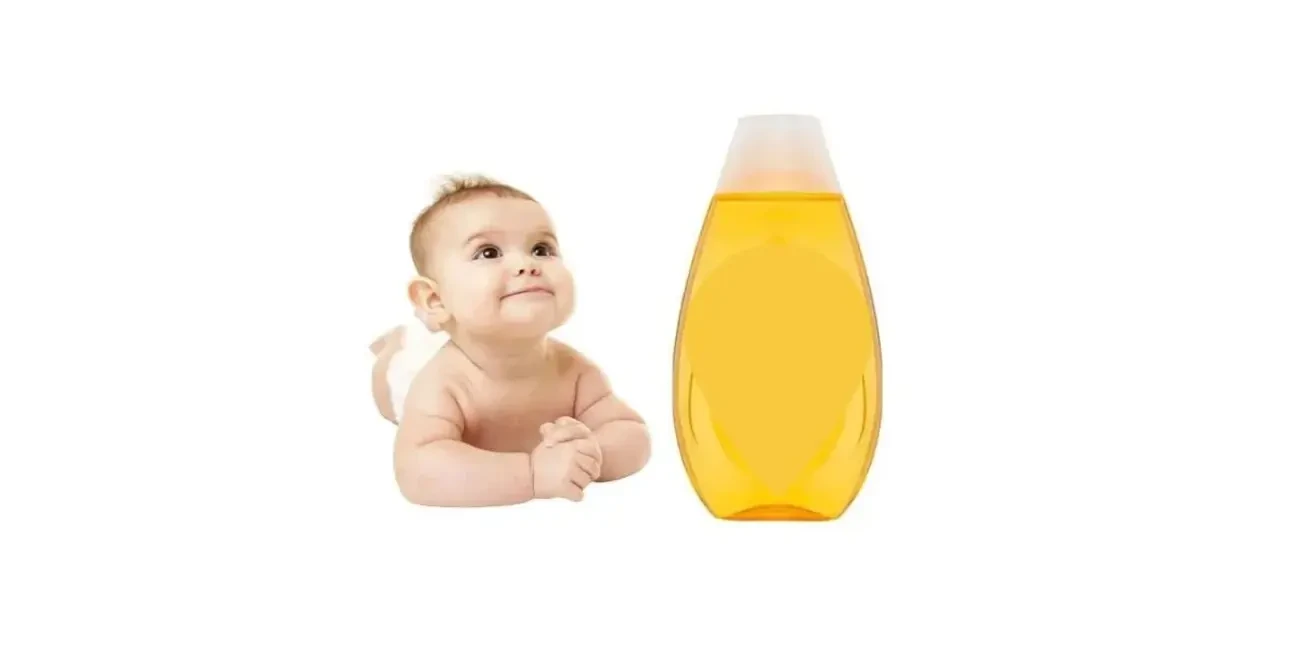
Baby shampoo is often considered the gold standard for young children, especially infants, as it’s designed with gentle formulas that cater to their sensitive skin and delicate hair. However, as children grow, their hair care needs begin to change. By the time a child reaches 5, the gentle formulas of baby shampoo may no longer provide the necessary benefits. In fact, continuing to use baby shampoo on kids over 5 may fall short of keeping their hair and scalp as healthy as possible.
Understanding why baby shampoo isn’t the ideal choice for older children can help parents make informed decisions about transitioning to age-appropriate hair care. In this article, we’ll break down the three main reasons why baby shampoo falls short for kids over 5 and provide guidance on how to choose the right shampoo to support healthy hair and scalp development.
Reason #1: Different Hair Needs and Scalp Development
As children grow, their skin, including the scalp, undergoes a variety of changes. These changes mean that the products that were suitable for them as babies may no longer meet their needs as they get older. Here’s a closer look at why hair and scalp needs shift as children reach school age and beyond.
How Baby Shampoos Are Formulated
Baby shampoos are carefully crafted to address the unique needs of infants and very young children. Most baby shampoos are tear-free and feature gentle cleansing agents that won’t irritate sensitive skin. They also have a slightly acidic pH, which is similar to the natural pH of the scalp. This makes baby shampoos ideal for protecting the delicate skin of young children.
Additionally, baby shampoos contain fewer surfactants (the cleaning agents that create foam and lather), so they’re less drying and less likely to strip away natural oils. Babies and young children don’t have as much exposure to environmental dirt and debris, so a mild shampoo is usually enough to keep their hair clean without over-cleansing.
How Hair and Scalp Needs Change Around Age 5
Around the age of 5, children’s scalps start to produce more oils, similar to adults, and their hair can become thicker and more resilient. This development means that the extra-gentle formula of baby shampoo may no longer be effective for cleansing. As children become more active, they’re exposed to more dirt, dust, and oils, which baby shampoos may struggle to remove fully.
For kids over 5, a shampoo that provides a deeper cleanse without being overly harsh is generally more suitable. This ensures that their hair and scalp are effectively cleaned, which helps reduce the risk of buildup and potential scalp issues.
Reason #2: Limited Cleansing Power for Active Kids
As children grow and their daily activities increase, their hair becomes exposed to a variety of elements. Whether it’s from playing outside, attending school, or engaging in sports, kids over 5 accumulate more dirt and sweat in their hair, requiring a more thorough cleansing routine.
Increased Exposure to Dirt, Sweat, and Environmental Factors
Kids are naturally active, and for children over 5, activities often involve more than just staying indoors. Playing on the playground, sports, and other outdoor adventures contribute to increased sweat and exposure to dirt and pollutants. When children engage in physical activities, their hair and scalp become a magnet for sweat and grime. These elements can lead to buildup that baby shampoo, with its mild formula, may struggle to wash away effectively.
Why Baby Shampoos Aren’t Strong Enough for Older Kids
Baby shampoos are intentionally made with minimal cleansers and lathering agents, as babies don’t generally encounter the same level of environmental contaminants. However, for an active child over 5, these gentle formulas don’t provide enough cleansing power. Continuing to use baby shampoo can result in dirt, oil, and residue being left behind, which may lead to an itchy or irritated scalp and possibly even a dull, unclean look to the hair.
As a child’s daily activities become more active, a shampoo that can adequately remove dirt, oil, and buildup is crucial. For kids over 5, switching to a shampoo with a mild yet effective formula that caters to their more active lifestyle can help keep their hair clean and fresh without over-drying.
Reason #3: Lack of Nutrients for Strengthening Growing Hair
Healthy hair growth requires proper nutrients, and by the age of 5, children’s hair begins to benefit from additional nourishment. However, baby shampoos often lack ingredients specifically aimed at strengthening or nourishing hair, as they are designed to be basic and gentle.
Essential Nutrients Needed for Growing Hair
As children’s hair becomes thicker and longer, it can benefit from added nutrients like proteins, vitamins, and moisturizers. For instance, vitamins B5 and E are often found in children’s or adult shampoos to support healthy hair growth, improve hair texture, and protect against damage. These nutrients are particularly important for growing hair, as they help strengthen the hair shaft, making it more resilient and less prone to breakage.
Some children’s shampoos also include plant-based oils and extracts that add moisture and protection to hair. Ingredients like coconut oil, shea butter, and aloe vera are commonly used to provide hydration without weighing hair down.
Why Baby Shampoos May Not Provide These Benefits
Baby shampoos focus on simplicity and safety, which is why they usually avoid ingredients that may interact with sensitive skin, including common nutrients that nourish and strengthen hair. While this is great for babies, older children may need the extra care that nutrient-rich formulas provide. Hair that lacks these beneficial ingredients can become brittle, dry, or prone to tangling, particularly if a child has longer hair.
Transitioning from baby shampoo to a children’s shampoo that includes beneficial nutrients can help ensure a child’s hair stays healthy, soft, and manageable as they grow.
Choosing the Right Shampoo for Kids Over 5
With these three key reasons in mind, selecting a shampoo for kids over 5 doesn’t have to be complicated. Knowing what to look for and understanding the difference between baby shampoos and children’s shampoos can help you make an informed choice. Here are some guidelines for picking a shampoo that caters to the unique needs of older children.
Look for Gentle But Effective Ingredients
Shampoos for kids over 5 should have a mild formula that avoids harsh chemicals, but they should also contain cleansing agents strong enough to remove dirt and oil. Ingredients like mild surfactants (such as cocamidopropyl betaine or decyl glucoside) can provide thorough cleansing without stripping the scalp of its natural oils. Look for labels that mention “gentle cleansing” or “mild formula” to ensure a balanced approach.
Opt for Nutrient-Rich Formulas
As mentioned, ingredients that strengthen and nourish hair can make a big difference for growing kids. Look for shampoos that include vitamins, plant oils, and natural extracts that support healthy hair. Some ingredients to look out for include:
- Vitamin B5 for moisture and elasticity
- Vitamin E for antioxidant protection
- Coconut oil or aloe vera for added hydration
- Shea butter to prevent dryness and breakage
These ingredients help maintain a healthy scalp and strong hair, preventing issues like dryness or brittleness.
Consider pH-Balanced Shampoos
Children’s scalps are still sensitive, so selecting a shampoo with a pH balance close to that of the scalp (around 4.5-5.5) can prevent irritation. Shampoos that are too alkaline can disrupt the scalp’s natural balance, leading to dryness or irritation, so a pH-balanced option is ideal.
Tips for Transitioning from Baby Shampoo to Kids’ Shampoo
When making the switch, you might want to start by using the new shampoo just once a week, gradually increasing its use as your child’s scalp adjusts. You could also look for “2-in-1” formulas that combine shampoo and conditioner, which can be helpful for children with longer hair, as these products make hair washing simpler and help prevent tangling.
Final Thoughts
Switching from baby shampoo to a more age-appropriate option for kids over 5 can provide numerous benefits, from improved cleansing to enhanced hair health. Baby shampoos serve a wonderful purpose for infants and toddlers, but as children grow, their hair and scalp needs naturally evolve. With increased exposure to environmental elements, more active lifestyles, and thicker hair, kids over 5 require shampoos that offer more than just a gentle cleanse.
To summarize:
- Baby shampoos lack the cleansing power needed for older children who are more active.
- Age-appropriate shampoos offer the necessary nutrients for strengthening growing hair.
- Shampoos for kids over 5 are designed to meet the needs of developing hair and a more active lifestyle.
By choosing a shampoo that matches your child’s stage of growth, you can support a healthy scalp, strengthen hair, and promote better hygiene for kids who need more than baby shampoo can provide. Parents play a vital role in ensuring that their children’s hair care routines adapt as they grow, so selecting a well-balanced, nutrient-rich shampoo can make all the difference in maintaining their hair’s health and cleanliness.
Recent Posts


Subscribe to our newsletter for regular updates about Offers, Coupons & more
Follow Us
Mobile Apps